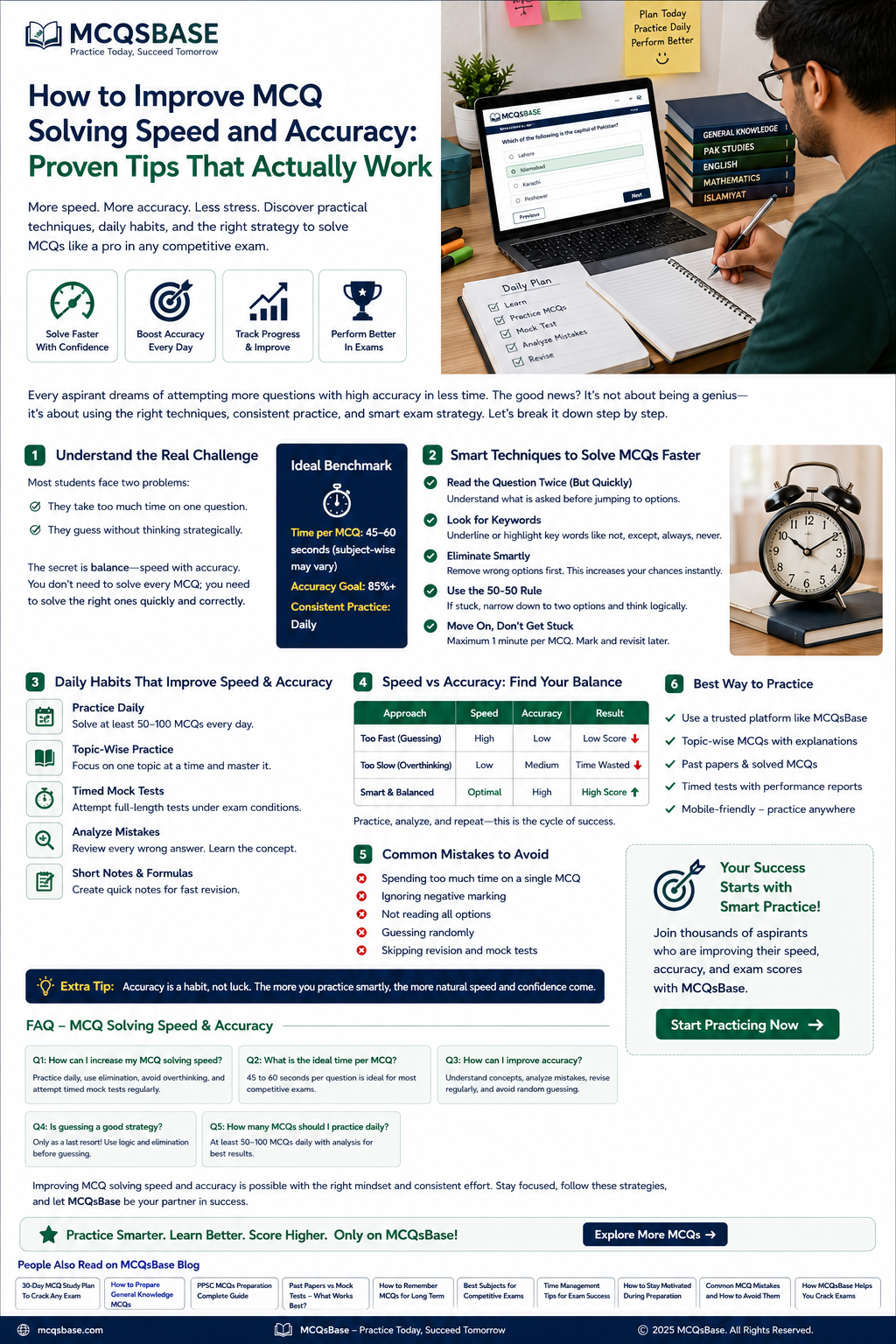
Solve faster without turning accuracy into collateral damage.
Figure 1. Speed improves when practice, timing, and review work as one system.
The Problem Is Not That You Are "Too Slow"
Picture the usual scene. You know the answer to question 17, but option B looks suspiciously polished. You read it again. Then option C starts making a speech in your head. Forty-five seconds later, you are still negotiating with four letters as if they have formed a committee. Meanwhile, the clock is quietly eating the rest of your paper.
That is why learning how to improve MCQ solving speed and accuracy is not about rushing. It is about reducing wasted thinking. Good MCQs preparation teaches you to recognize the question, apply a repeatable decision process, and leave difficult items before they become tiny time thieves.
The strongest test-taking guides agree on the basics: read carefully, budget time, eliminate wrong choices, answer easier questions efficiently, and review mistakes after practice. The missing piece is a simple system that joins those ideas together. This guide gives you that system, the three-pass method, plus a seven-day drill you can repeat until speed begins to feel normal rather than forced.
Build accuracy first, then compress your decision time. During the exam, use three passes: collect easy marks, solve workable questions, and return to the genuinely difficult ones. During practice, record why every wrong answer happened. Speed grows when familiar decisions become automatic, not when you tell your brain to "hurry up" like an impatient bus conductor.
1. Speed and Accuracy Are Not Enemies
Many learners treat speed and accuracy like two cousins who refuse to attend the same wedding. They are actually linked. Weak concepts create hesitation. Hesitation consumes time. Time pressure then creates careless errors. The answer is not reckless speed; it is faster recognition supported by stronger knowledge.
| Attempt style | What it looks like | Likely result | Best correction |
|---|---|---|---|
| Too fast | Clicks the first familiar option | More avoidable errors | Read the full stem and every option |
| Too slow | Rechecks even clear answers | Unfinished paper | Use a time limit and move on |
| Balanced | Reads, eliminates, decides, flags | More completed questions with control | Repeat the same solving routine |
A useful target is not "maximum speed." It is stable speed: a pace you can maintain while still understanding what the question asks. The online MCQs practice guide on MCQsBase explains why repeated, focused practice matters more than random clicking.
2. Calculate Your Time Budget Before the Test Starts
Your time budget is simple: divide the usable minutes by the number of questions. Keep a small review reserve rather than spending the entire paper question by question. For example, a 100-question MCQ test in 90 minutes gives 54 seconds per question before reserve time. If you hold back 10 minutes for checking, your working budget becomes 48 seconds per question.
| Example paper | Total time | Review reserve | Working pace |
|---|---|---|---|
| 100 questions | 90 minutes | 10 minutes | 48 seconds each |
| 80 questions | 60 minutes | 8 minutes | 39 seconds each |
| 50 questions | 45 minutes | 5 minutes | 48 seconds each |
These are planning examples, not universal exam rules. Always check the official paper instructions and negative-marking policy. The time-management guide for competitive exams gives a broader study-scheduling framework, while your timed online quiz practice should reproduce the duration of the test you will actually sit.
3. Use the 3-Pass Method
The three-pass method prevents one difficult question from collecting rent inside your head. It also gives your brain more chances to recover information as you move through the paper.
- Pass 1: Harvest clear marks. Answer questions you can solve confidently within your normal pace. Do not perform a courtroom cross-examination on an answer you genuinely know.
- Pass 2: Work the solvable questions. Return to items that need calculation, comparison, or elimination but are still within reach. Give each a firm limit.
- Pass 3: Handle the hard remainder. Use the remaining time for difficult or uncertain items, then check marked answers and your answer sheet.
This approach supports the same principle found in university exam guidance: complete easier items efficiently and return to harder ones later. You can train the method using the MCQsBase quiz section and then compare your performance with a fully timed mock.
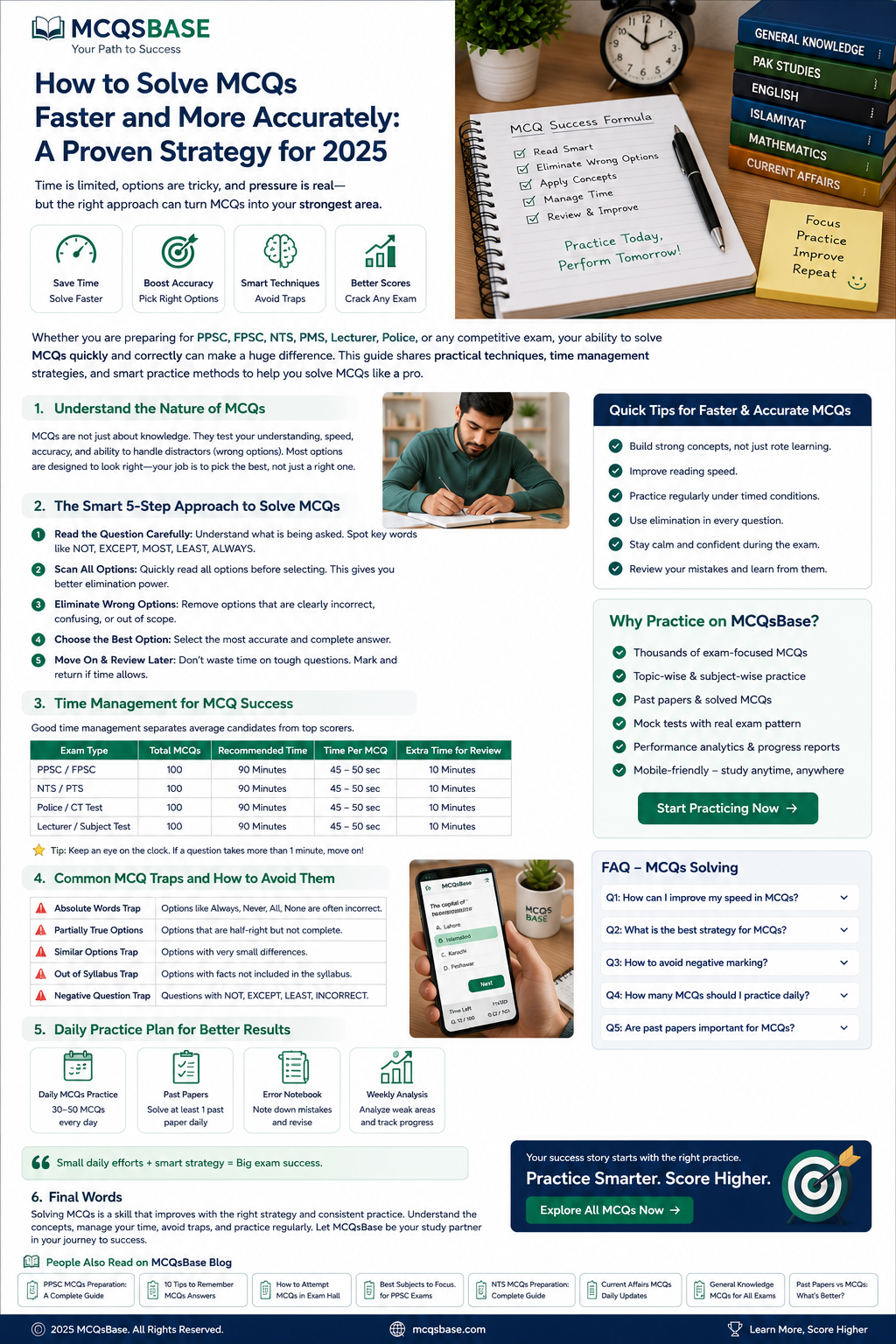
Figure 2. A structured solving routine protects both time and accuracy.
4. Apply the Five-Step Solving Loop to Every Question
Within each pass, use the same five-step loop. Repetition matters because a consistent process removes small decisions. Small decisions are where seconds go to disappear.
- Read the stem first. Understand what is being asked before the options try to distract you.
- Mark signal words. Notice NOT, EXCEPT, BEST, MOST, LEAST, ALWAYS, and NEVER.
- Answer mentally. Form a rough answer before looking at the choices whenever possible.
- Eliminate deliberately. Remove options that are false, irrelevant, too broad, too narrow, or inconsistent with the stem.
- Decide or flag. Choose with confidence or move on. Do not hover indefinitely between B and C.
A four-option question gives a random guess a 25% chance. Eliminate two options and the remaining choice is effectively a 50-50 decision. That does not replace knowledge, but it makes uncertainty more manageable. Use topic-wise MCQ practice to make this loop automatic before exam day.
5. Learn the Distractor Patterns That Steal Marks
| Distractor pattern | What it does | Your response |
|---|---|---|
| Absolute language | Uses words such as always, never, only, or all | Treat it cautiously; verify whether exceptions exist |
| True but irrelevant | States a correct fact that does not answer the stem | Ask: does this answer the exact question? |
| Partly correct | Starts correctly, then adds one false detail | Test every part of the option |
| Negation trap | Hides NOT, EXCEPT, or LEAST in the stem | Circle or mentally emphasize the negative word |
| Near-duplicate pair | Two choices differ by one important word | Compare the exact difference, not the shared wording |
Subject practice helps you see how distractors behave in different areas. Use General Knowledge MCQs for fact-heavy questions, Pakistan Studies MCQs for dates and constitutional detail, English MCQs for grammar and vocabulary traps, and Everyday Science MCQs for concept-based elimination.
6. Build Accuracy Before You Chase Faster Times
Speed is usually the visible result of invisible preparation. When you know a concept well, you recognize the answer quickly. When your knowledge is half-built, every option looks like it deserves a meeting.
- Study concepts before heavy timing. Use short notes, formulas, definitions, timelines, and examples.
- Practice retrieval. Close the book and recall the answer before checking it.
- Use focused sets. Complete 20-30 questions from one topic before switching to mixed tests.
- Read explanations. A correct guess is not yet a learned answer.
- Revisit weak areas. Return after one day, three days, and one week.
For subject-specific help, pair your daily work with the guides on Pakistan Studies preparation, English MCQs, and Everyday Science topics. This keeps your speed training connected to real knowledge instead of turning practice into fast guessing.
7. Follow This Seven-Day Speed-and-Accuracy Drill
| Day | Main task | Timing rule | Review task |
|---|---|---|---|
| 1 | 40 untimed topic MCQs | No pressure | Write why each error happened |
| 2 | 50 topic MCQs | 60 seconds each | Review weak concepts |
| 3 | 60 mixed MCQs | 55 seconds each | Tag distractor types |
| 4 | Two sets of 30 | 50 seconds each | Compare first and second set |
| 5 | One past-paper section | Official-style timing | Create a one-page error sheet |
| 6 | 80 mixed MCQs | Three-pass method | Reattempt every wrong item |
| 7 | Full mock test | Real conditions | Calculate accuracy and time per question |
Repeat the cycle with different subjects. The ultimate past-papers guide explains how to turn old papers into active training, while MCQsBase practice tests help you rehearse the speed, pressure, and review loop in a more exam-like format.
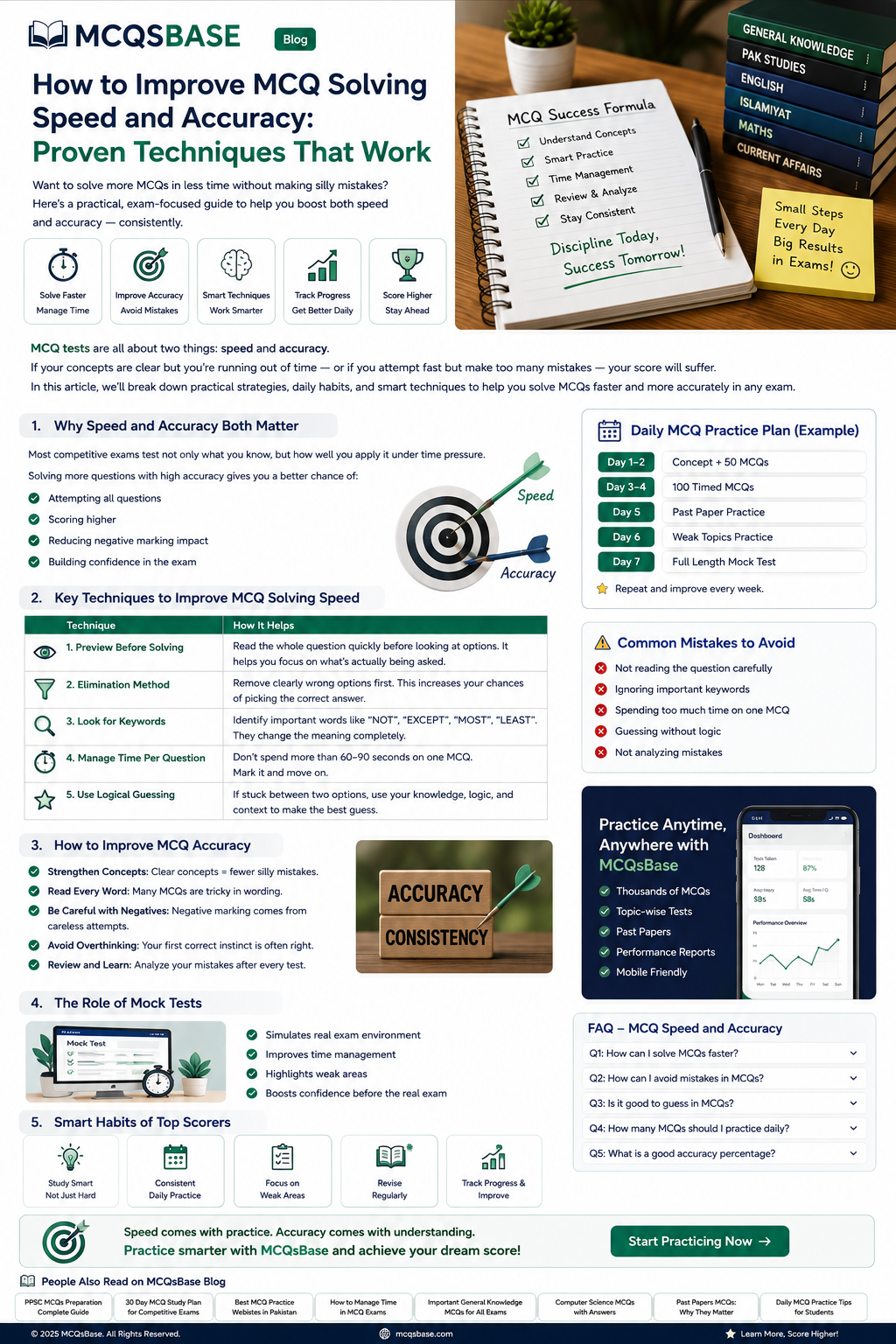
Figure 3. A short daily system is easier to repeat than one heroic, exhausting session.
8. Keep an Accuracy Ledger, Not Just a Score
A score tells you what happened. An accuracy ledger tells you why. After each set, classify every wrong answer. This takes a few minutes, but it prevents the same mistake from returning in a new outfit next week.
| Error type | Example | Fix | Track |
|---|---|---|---|
| Knowledge gap | You did not know the fact or concept | Study and retest the topic | Topic name |
| Misread stem | Missed NOT or BEST | Slow the first reading | Signal word |
| Distractor error | Picked a true but irrelevant option | Explain why each option is wrong | Trap type |
| Time error | Spent too long before moving | Use the pass limit | Seconds used |
| Careless error | Clicked or bubbled the wrong choice | Add a five-question answer check | Frequency |
Do not count a question as "mastered" merely because you selected the right option. You should also be able to explain why the other options are wrong. That extra sentence is where shallow recognition turns into dependable exam knowledge.
9. Handle Guessing and Negative Marking Carefully
Guessing advice changes when incorrect answers carry a penalty. Before the test, confirm the marking rule. With no penalty, leaving a question blank usually gives away a possible mark. With negative marking, use confidence-based attempts instead of random guesses.
| Confidence level | What you know | Suggested approach |
|---|---|---|
| High | You know the concept and can reject the distractors | Answer and move on |
| Medium | You can eliminate two options | Decide using evidence and the marking rule |
| Low | You cannot eliminate anything | Skip initially; return only if the rules justify it |
Past papers help you learn whether uncertainty comes from weak knowledge or unfamiliar wording. Use the free exam-resource guide to keep your preparation focused, and avoid collecting so many PDFs that your downloads folder becomes the most educated part of the house.
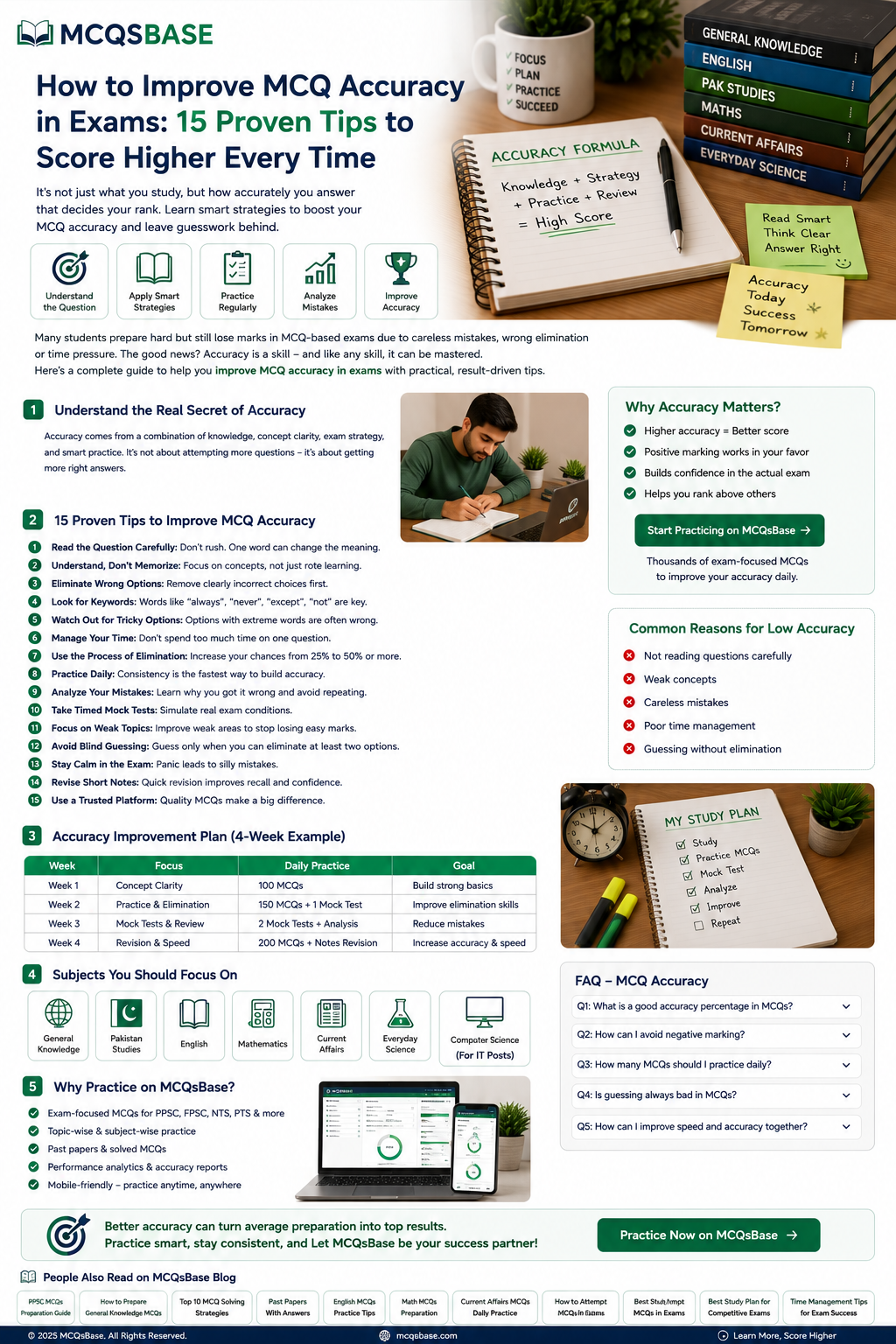
Figure 4. Accuracy rises when concepts, timing, elimination, and review improve together.
10. Choose a Practice Platform That Supports the System
Search behaviour is wonderfully untidy. One learner types "mcqsbase," another types "mcqs base," and someone else tries "mcq base" and hopes the search engine understands the assignment. Others look for "mcqs websites in Pakistan," "mcqs preparation," "mcqs test preparation," "mcq website," "mcq site," or even "mcq com." The wording matters less than what the platform lets you do once you arrive.
A useful platform should support structured mcq practice, a timed mcqs test, reviewable online mcqs, and subject-wise mcqs practice. A busy mcqs forum may provide discussion, but discussion alone cannot replace measured performance. Good online test preparation gives you questions, timing, feedback, and a reason to return to weak areas.
On MCQsBase, learners can move from the main MCQ database to online quizzes and then reinforce specific weaknesses through General Knowledge, Pakistan Studies, English, and Everyday Science categories. The broader MCQsBase blog adds study plans, platform comparisons, past-paper guidance, and exam-specific preparation.
The practical goal is simple: keep one primary hub, measure progress, and reduce random switching. The guides comparing top MCQ platforms in Pakistan and explaining why MCQsBase is built for Pakistan-focused exam preparation can help you evaluate that choice without turning platform selection into another three-week research project.
11. Exam-Day Routine: Calm, Fast, and Boring
"Boring" is a compliment here. Exam day is not the moment to invent a new system. Use the same routine you practised.
- Read the instructions and marking rules first.
- Calculate your time budget and review reserve.
- Use the three passes without negotiating with the clock.
- Check question numbers regularly if using an answer sheet.
- Change an answer only when you identify a clear reason, not because anxiety has started freelancing.
- Use the final minutes to review flags, skipped items, and answer alignment.
For a wider preparation routine, see the 10 essential competitive-exam tips and the NTS preparation guide. The exam changes, but the useful habits, planning, practice, timing, and error review, remain remarkably loyal.
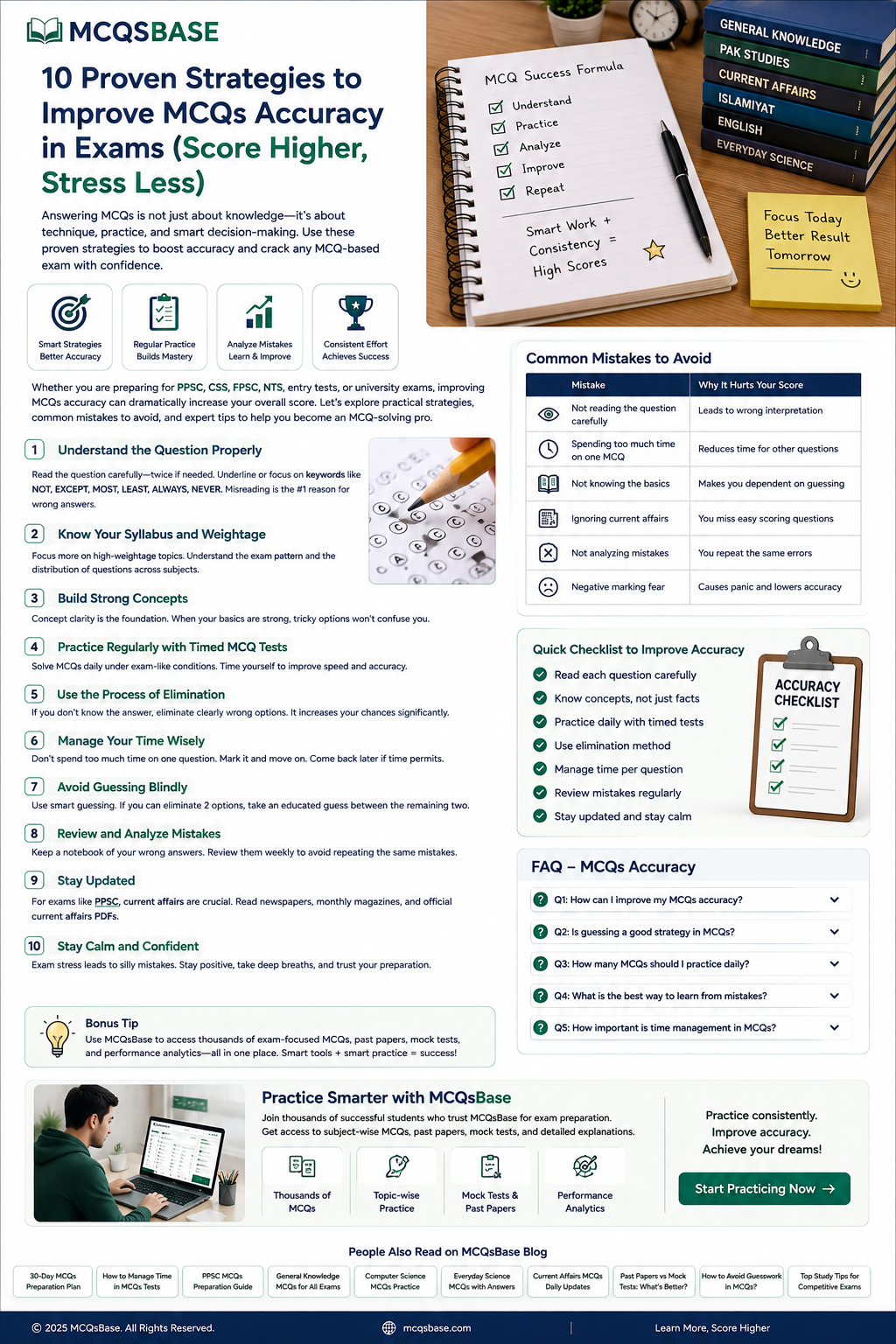
Figure 5. A dependable exam routine should feel familiar before the real paper begins.
A Quiet Lesson for Educators and Exam-Preparation Brands
Students do not experience a learning platform as separate pieces. They experience whether it loads quickly, whether topics are easy to find, whether the page explains the next step, and whether practice feels organized. That behind-the-scenes mix of web development, search visibility, content architecture, analytics, and learner-focused design is the kind of practical digital work teams such as MoreTech Global can support. The best result is subtle: the technology disappears, and the learner simply gets on with learning.
Frequently Asked Questions
How can I improve my MCQ solving speed?
Start with accurate untimed practice, then add a timer gradually. Use the same five-step solving loop and the three-pass method in every session.
What is a good time per MCQ?
It depends on the paper. Divide usable minutes by the number of questions, keep review time aside, and practise at that pace. Do not copy a universal seconds-per-question rule without checking your exam.
How can I improve MCQ accuracy?
Strengthen concepts, read signal words carefully, eliminate options deliberately, and keep an error ledger. Accuracy improves fastest when you review why an answer was wrong.
How many MCQs should I practise daily?
Choose a volume you can review properly. For many general exam learners, 40-100 focused questions are more useful than hundreds of rushed clicks. Quality and analysis matter more than an impressive count.
Should I change my first answer?
Change it when you find clear evidence: a missed word, a recalled fact, or a contradiction. Do not switch merely because the answer suddenly feels lonely.
Is guessing a good MCQ strategy?
Only as a controlled final step. Eliminate what you can, check the negative-marking rule, and make an educated decision rather than a random one.
Can online MCQ practice really improve speed?
Yes, when practice is timed, reviewed, and repeated. Random clicking produces activity; measured practice produces improvement.
Final Takeaway
You do not become faster by rushing each question. You become faster by making fewer confused decisions. Learn the concepts, practise the same solving loop, use the three passes, and study your errors until their patterns become boringly obvious.
Begin with a short set on MCQsBase, time it honestly, and record every miss. Then return tomorrow and do it again. Small, deliberate sessions look unimpressive on day one. A few weeks later, they look suspiciously like confidence.
Open the MCQ practice library, choose one subject, complete a timed set, and review every mistake before starting another. Practice smarter, not noisier.
Research and Source Notes
The article's core test-taking advice was checked against student-success guidance from the University of Waikato, Northern Illinois University, and Concordia University. Competitive-page structure and topic coverage were also compared with current long-form guides from Notesmakr and Gradily.
People Also Read on MCQsBase
- Ultimate Guide to Past Papers for Pakistan's Competitive Exams (2026 Strategy)
- A Complete Guide to NTS Exam Preparation Tips (2026 Success Strategy)
- Why McqsBase Is the Leading Platform for Pakistan's Exam Prep (2026 Guide)
- How McqsBase's Practice Tests Help Boost Your Exam Success Rates (2026 Guide)
- Comparing Top MCQ Platforms for Pakistan Exam Preparation (2026 Guide)
- Why Online MCQs Practice Is Essential in 2026
- List of Best Free Resources for PPSC, FPSC, and SPSC Exams (2026 Guide)
- 10 Essential Tips for Competitive Exam Success in Pakistan
- Time Management Strategies for Competitive Exams
- Mastering English MCQs for Competitive Exams
- How to Effectively Prepare for Pakistan Studies MCQs
- Everyday Science MCQs: Important Topics and Concepts
Continue exploring practical guides, exam strategies, and subject resources in the complete MCQsBase blog.