A realistic study system for general exam learners who want stronger recall, safer attempts, and less last-minute panic.
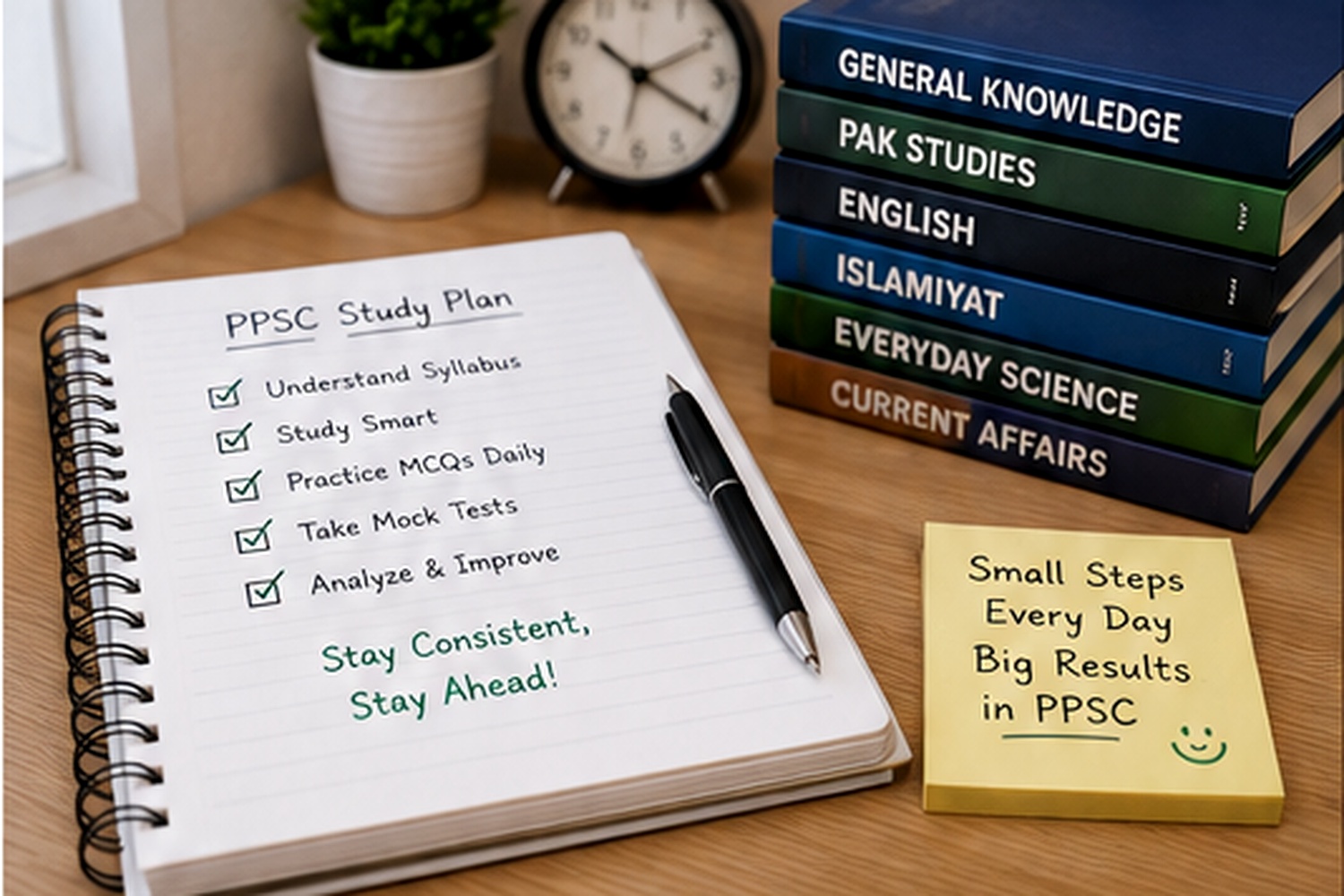
Figure 1. A clear study plan turns a wide PPSC syllabus into manageable daily work.
The PPSC Preparation Problem Is Usually Not Laziness
Picture the usual scene: one PPSC book is open on Pakistan Studies, a second is balancing on English grammar, five browser tabs are arguing about current affairs, and your notebook says "Start properly tomorrow." Tomorrow, naturally, has developed excellent hiding skills. The real problem is rarely a lack of effort. It is a lack of sequence.
Good PPSC MCQs preparation is not about collecting every PDF ever uploaded to the internet. It is about building a repeatable loop: confirm the syllabus, learn a small topic, attempt questions, inspect mistakes, and return to weak areas. That loop is simple enough to survive busy days and strong enough to improve your score.
This guide is written for general exam learners preparing for one-paper recruitment tests. It combines the topics strong preparation pages consistently cover: syllabus, subject priorities, past papers, time management, mock tests, and FAQs. Then it adds two pieces candidates often miss: a six-week score-building calendar and a practical confidence rule for negative marking.
Start with the exact advertisement and syllabus. Spend the first half of your preparation building subject coverage and the second half converting that knowledge into timed, mixed MCQ performance. Record every repeated mistake. Your error log should become shorter as exam day gets closer, not your list of unopened books.
1. Verify the PPSC Test Before You Build a Plan
The Punjab Public Service Commission does not use one identical paper for every post. The official PPSC FAQ states that subject percentages in a general knowledge MCQ paper vary from case to case. Many one-paper tests use 100 marks and 90 minutes, but the relevant advertisement and post-specific syllabus remain the final authority. In other words, do not prepare for "PPSC in general" when PPSC has told you exactly which paper you are sitting.
| Check first | Why it matters | Action for the learner |
|---|---|---|
| Post-specific syllabus | Tells you whether the paper is general, qualification-related, or mixed. | Download it and turn every listed topic into a checklist. |
| Number of questions and time | Determines your average time per question and mock-test design. | Use the same duration in full mocks. |
| Negative marking | Changes whether uncertain guesses help or hurt. | Use confidence-based attempts rather than random guessing. |
| Required documents and reporting time | Preparation is wasted if exam-day formalities go wrong. | Read the admission letter and official instructions twice. |
Before planning your weeks, visit the PPSC official website, locate the current advertisement, and check the PPSC planner for recruitment progress. Then keep a single practice home, such as the McqsBase MCQ library, for the daily work. Official pages tell you what is true; your practice platform helps you become fast enough to use it.
2. Use the Six-Week PPSC Score-Building Plan
Six weeks is not a magic number. It is simply long enough to build coverage, practise recall, and sit several realistic mocks without turning your life into one continuous cup of tea. Learners with more time can stretch each week into two. Learners with less time can compress the plan, but should keep the order.
| Week | Main goal | Daily work | End-of-week proof |
|---|---|---|---|
| 1 | Map the syllabus and measure your baseline | Attempt a mixed diagnostic test; create subject and error lists. | You know your strongest and weakest areas. |
| 2 | Build core factual subjects | General Knowledge, Pakistan Studies, Islamic Studies, and current-affairs notes. | You can answer basic questions without reopening notes. |
| 3 | Strengthen skill-based areas | English, basic mathematics, reasoning, computer knowledge, and timed sets. | Accuracy improves while average response time falls. |
| 4 | Cover post-specific content | Study qualification-related topics from the advertised syllabus. | No major syllabus heading remains untouched. |
| 5 | Mix subjects under pressure | Past papers, mixed quizzes, and two full mock tests. | Mistakes are grouped by cause, not merely counted. |
| 6 | Polish, revise, and simulate | Three or four full mocks, short revision blocks, and exam-day rehearsal. | Scores are stable and your attempt strategy is settled. |
Week 1: Diagnose Before You Decorate the Timetable
Take one mixed online quiz or a recent paper from the past-papers archive under timed conditions. Do not revise first. The point is not to impress yourself; it is to find the leaks. Record your score by subject, then tag every wrong answer as one of four types: knowledge gap, forgotten fact, misread question, or poor time decision.
Use the study-guides section to fill genuine concept gaps, but resist rebuilding the internet in your downloads folder. One main book, the official syllabus, one notes file, and one reliable MCQ website are enough to begin.
Weeks 2-3: Build Knowledge, Then Force Retrieval
For factual subjects, study in small clusters. Read a topic for 25-35 minutes, close the source, and write what you remember. Then answer related questions. The General Knowledge MCQs, Pakistan Studies MCQs, and Islamic Studies MCQs sections work best when they follow a short learning session, not when they become endless scrolling.
For skill-based areas, reverse the balance. Spend less time reading and more time solving. Use English MCQs for grammar, vocabulary, analogies, and correction patterns, and use Everyday Science practice to connect basic concepts with the way questions are actually framed. A rule you cannot apply under a timer is still wearing training wheels.
Week 4: Give the Advertised Subject Its Fair Share
General exam learners often overprepare the familiar subjects and postpone qualification-related content because it feels heavier. That is like polishing the headlights while forgetting the engine. If the advertisement assigns a major portion to your degree subject, professional knowledge, law, pedagogy, computer science, or departmental rules, make it the centre of Week 4.
Keep daily general-subject revision alive with short MCQ practice sessions, but give the largest block to post-specific material. Build a one-page summary for every major syllabus heading and test yourself without looking at the page.
Weeks 5-6: Turn Preparation into Exam Performance
Now mix the subjects. Full papers reveal problems that topic-wise practice hides: slow switching, fatigue, careless reading, and the irresistible urge to spend four minutes proving that one stubborn question respects you. It does not. Move on.
Use the method in the Ultimate Guide to Past Papers: attempt, analyse, map weak areas, drill related questions, and repeat. Pair that with the practice-test strategy guide so each mock has a purpose beyond producing a number you either celebrate or hide from.

Figure 2. Online practice becomes useful when every attempt is followed by review and correction.
3. Follow the 3C Daily Loop: Concept, Questions, Correction
A timetable tells you when to sit. The 3C loop tells you what to do once you are there.
- Concept: Study one clearly defined topic. Stop before your attention starts filing a resignation letter.
- Questions: Attempt 25-50 topic-wise MCQs without checking answers midway.
- Correction: Explain each error, write the missing rule or fact, and schedule it for review.
This is more effective than reading for three hours and calling the highlighted pages "progress." The online MCQs practice guide makes the same central point: reading and practising are different activities. PPSC rewards what you can retrieve quickly, not what once looked familiar under a fluorescent marker.
4. Prepare Each Subject According to Its Behaviour
| Area | Best preparation method | Common trap | Weekly check |
|---|---|---|---|
| General Knowledge & Current Affairs | Short notes, daily revision, mixed MCQs, and verified updates. | Collecting facts without revisiting them. | One mixed current/GK quiz. |
| Pakistan Studies & Islamiat | Timelines, themes, constitutions, geography, Seerah, and repeated concept clusters. | Memorising isolated dates with no context. | Explain five answers in your own words. |
| English | Rules plus repeated application: vocabulary, grammar, sentence correction, comprehension. | Reading rules without solving examples. | A timed 25-question set. |
| Math, reasoning & computer | Formula sheet, worked examples, timed drills, and shortcut review. | Watching solutions and mistaking recognition for skill. | Re-solve missed items without help. |
| Post-specific subject | Follow every syllabus heading and practise qualification-level questions. | Assuming general MCQs will carry the paper. | One mixed subject test. |
For a deeper subject workflow, the Pakistan Studies preparation guide shows how to organise history, geography, politics, and constitutional material. The same principle applies elsewhere: organise the subject before trying to memorise it.
5. Build an Error Log That Tells You What to Fix
After a test, most learners look at the total score and immediately negotiate with their emotions. A better response is to inspect the cause. Your error log can be a notebook or spreadsheet with five columns: question topic, your answer, correct answer, why you missed it, and next review date.
Track repeated causes. If "misread NOT/EXCEPT" appears four times, the solution is not another book. It is a reading rule. If you keep forgetting constitutional dates, use spaced review. If mathematics questions are correct but slow, practise timed sets. The time-management guide can help turn those patterns into a realistic schedule.
Any topic missed in two separate tests becomes a priority topic. Review the concept, solve ten related questions, and test it again within three days. Repeated mistakes should receive repeated attention; one-off mistakes should not hijack your entire week.
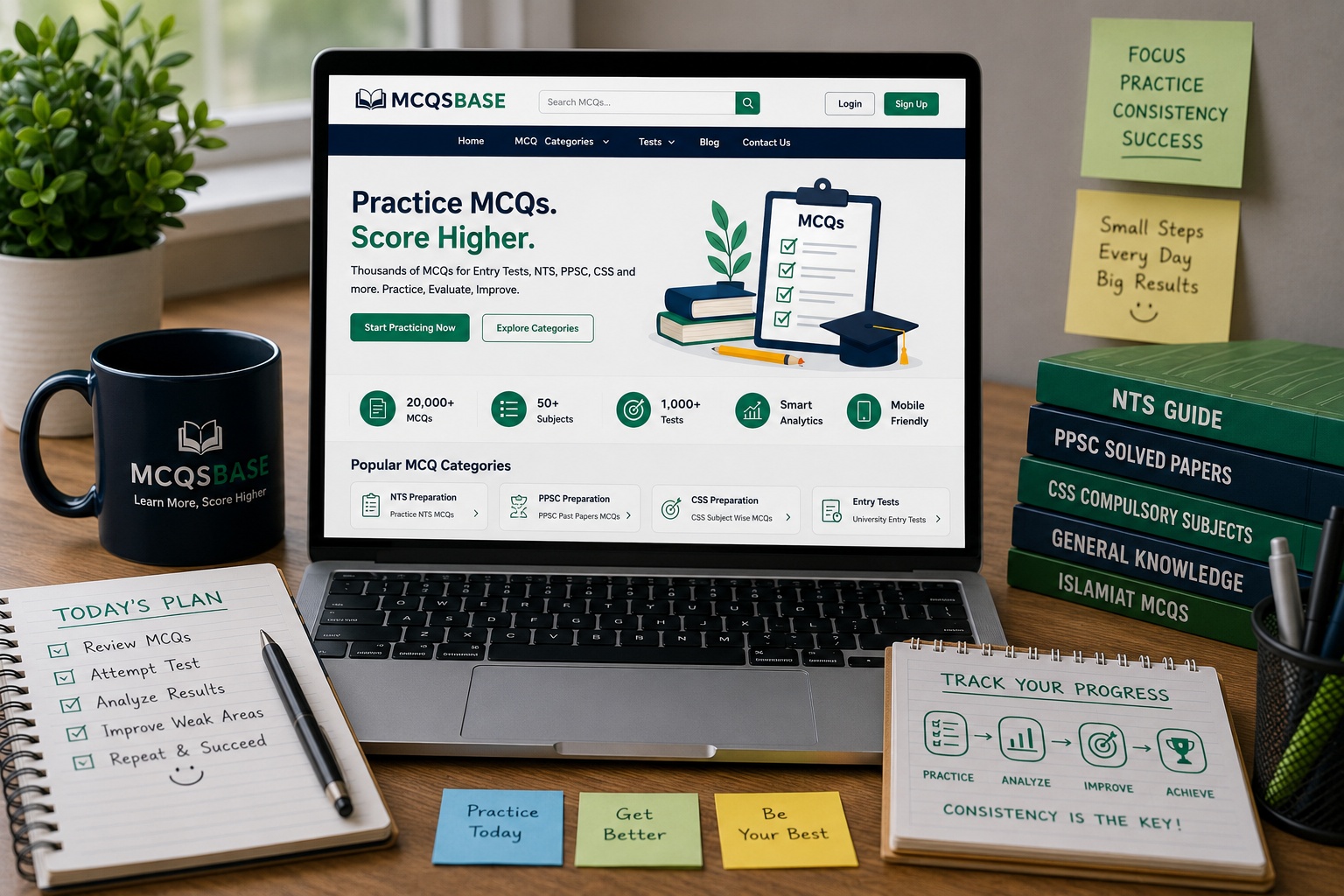
Figure 3. Track weak topics and mistake causes, not only the final percentage.
6. Respect Negative Marking Without Becoming Afraid of the Paper
PPSC's official FAQ on negative marking says that 0.25 marks are deducted for each wrong answer in MCQ papers. That makes blind guessing expensive, but it does not mean you should freeze whenever certainty is less than 100 percent.
Use a three-pass attempt strategy. In Pass 1, answer questions you know. In Pass 2, return to questions where you can eliminate options or recall part of the answer. In Pass 3, review marked items and decide whether evidence, not hope, supports an attempt. Your exact threshold should be tested in mocks, because accuracy, risk tolerance, and paper difficulty differ.
| Confidence situation | Suggested action | Reason |
|---|---|---|
| You know the answer or can justify it clearly | Attempt immediately. | High-confidence marks should not be delayed. |
| You can eliminate two options and have a reason for one remaining choice | Consider attempting after first-pass completion. | The decision is informed rather than random. |
| You cannot eliminate anything and are guessing from the shape of the option | Usually leave it for final review. | A random wrong answer costs marks. |
| You are changing an answer with no new evidence | Keep the original response. | Nervous second-guessing often creates avoidable errors. |
7. Make Mock Tests Look Like the Real Day
A mock test taken while answering messages, pausing for snacks, and checking notes is a quiz wearing a fake moustache. At least once a week, sit a full paper with the correct time, no notes, no interruptions, and the same answer-changing rules you plan to use in the examination hall.
Afterward, review four numbers: score, accuracy, unanswered questions, and time lost on difficult items. The McqsBase quiz area supports timed practice, while the past-paper collection helps you compare your preparation against real question styles. Use both: one builds repeated skill; the other keeps your preparation anchored to exam reality.
Do not chase a dramatic score jump every week. Look for stability. A learner scoring 72, 74, and 73 under honest conditions is usually better prepared than someone scoring 58, 84, and 61 with changing rules and selective checking.
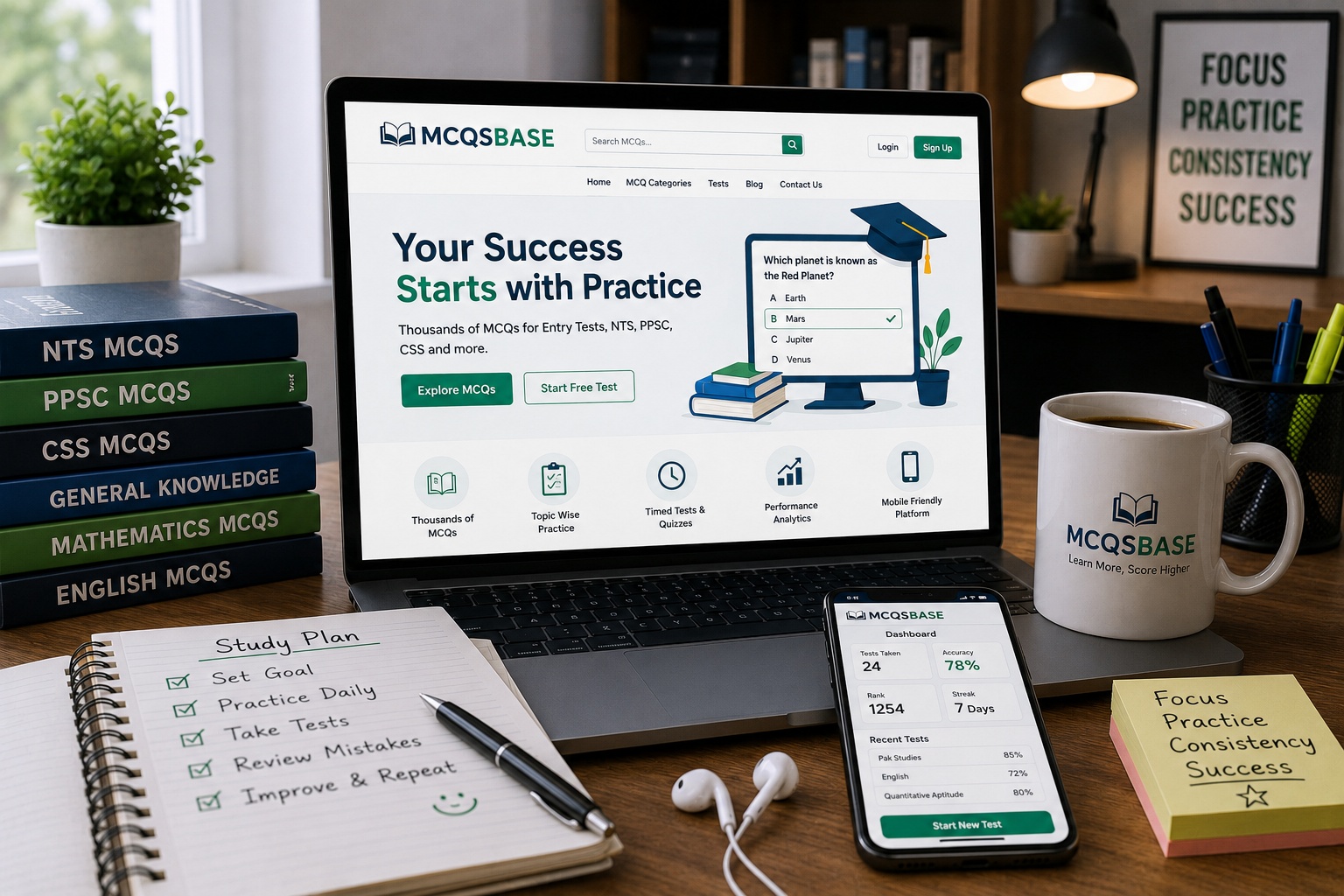
Figure 4. Timed mocks and visible analytics help convert effort into stable performance.
8. Choose One Main Online Practice Platform
Students use every search phrase imaginable: mcqs websites in Pakistan, mcq website, mcq site, mcqs forum, even shorthand such as mcq com, mcqs base, or mcq base. The label matters less than the workflow. A useful platform should move you from online MCQs to a timed MCQ test, show what went wrong, and make repeated MCQ practice easy.
That is the difference between casual MCQs practice and deliberate MCQs test preparation. Good online test preparation gives every session a purpose instead of turning practice into random clicking. For one-paper exams, McqsBase gives you organised categories, quizzes, past papers, and study resources in one place. The platform comparison guide explains what to check before making any MCQ site your main study home, while the free-resources guide helps you add books and official sources without creating resource chaos.
Behind a useful learning platform sits less glamorous work: fast pages, clean navigation, structured content, reliable maintenance, and search-friendly publishing. Education brands that need that digital foundation often work with technical teams such as MoreTech Global. For learners, the practical benefit is wonderfully boring: the tool works, and you can get back to studying.
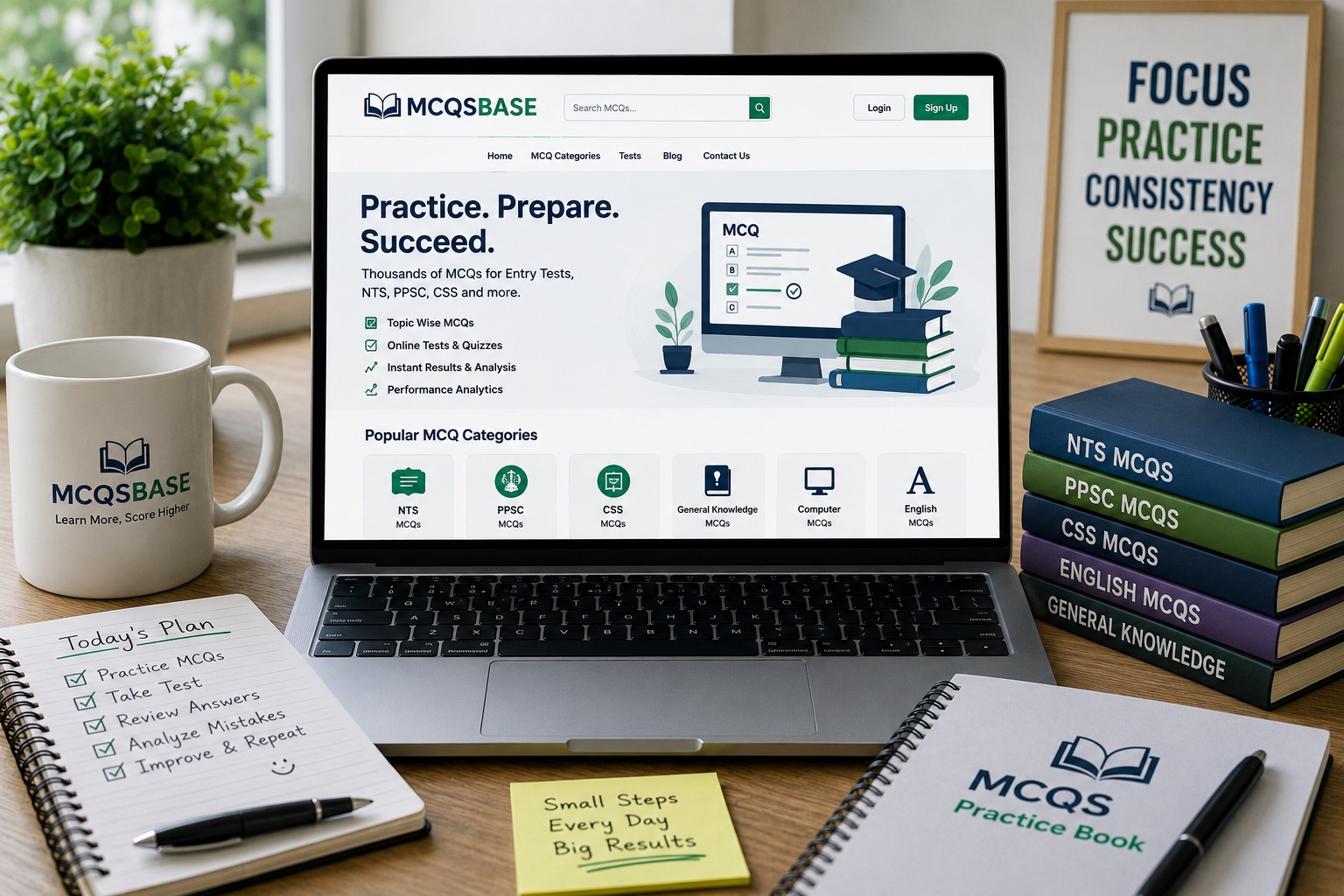
Figure 5. A single, organised preparation hub reduces distraction and keeps daily practice consistent.
9. Use a Simple Daily and Weekly Routine
A practical weekday routine can fit into two focused hours: 40 minutes of concept study, 45 minutes of topic-wise MCQs, 20 minutes of error review, and 15 minutes of current-affairs or factual revision. Add time if you have it, but protect the sequence.
Once a week, replace the topic-wise session with a mixed test. Then use the weekend to revise error-log items and revisit one weak subject. The 10 essential exam-success tips offer broader preparation habits, but the daily minimum remains surprisingly plain: study, test, correct, repeat.
10. The Final 72 Hours: Reduce Noise, Not Confidence
Three days before the test, stop opening major new resources. Revise short notes, repeated errors, formulas, vocabulary lists, constitutional points, and current-affairs summaries already in your system. Take one final full mock early enough to review it calmly; do not turn the night before the paper into a dramatic season finale.
- Confirm logistics: centre, reporting time, original CNIC or allowed document, and prohibited items.
- Prepare materials: admission letter, required stationery, and travel plan.
- Protect sleep: a rested brain reads questions more accurately than a heroic but exhausted one.
- Keep the attempt plan: first pass for known answers, second for reasoned choices, final review for marked items.
Frequently Asked Questions About PPSC MCQs Preparation
How do I start PPSC preparation from zero?
Begin with the exact advertisement and syllabus, then take a baseline test. Build a six-week or longer plan around the subjects actually listed, not around a generic book index.
How many MCQs are in a PPSC one-paper test?
Many PPSC one-paper tests use 100 MCQs or 100 marks, often in 90 minutes, but patterns vary by post. Verify the relevant advertisement and syllabus on the official PPSC website.
Is there negative marking in PPSC MCQ papers?
Yes. PPSC's official FAQ states that 0.25 marks are deducted for each wrong answer in Multiple Choice, Objective, or MCQ papers.
Which subjects are most important for PPSC?
Common general areas include General Knowledge, Pakistan Studies, Islamic Studies, English, current affairs, everyday science, mathematics, reasoning, and computer knowledge. However, the percentage of each subject varies, and many posts include qualification-related content.
How many hours should I study each day?
Two to four focused hours can be productive for many learners, but consistency and quality matter more than a dramatic number. A shorter session with concept study, MCQ practice, and correction beats unfocused reading.
Are PPSC past papers enough?
No. They are excellent for patterns and frequently tested concepts, but should be paired with concept learning, updated material, and additional MCQs practice.
Can I prepare for PPSC without an academy?
Yes. Self-study can work when you have the official syllabus, reliable notes, past papers, a structured MCQ platform, regular mocks, and an honest error-analysis routine.
How can I improve speed and accuracy in an MCQ test?
Practise timed sets, answer easy questions first, limit time spent on one item, review misread questions, and measure accuracy by subject. Speed should grow from familiarity and decision-making, not rushing.
What is the best website for PPSC MCQs preparation?
Choose a clean, updated platform with subject-wise MCQs, mixed quizzes, past papers, explanations or review tools, and minimal distraction. McqsBase is designed around Pakistan's competitive-exam categories and works well as a central practice hub.
How long does PPSC preparation take?
It depends on your starting level and the post-specific syllabus. Six focused weeks can build a strong routine for a general one-paper test, while subject-heavy or competitive posts may need several months.
A Practical Next Step
PPSC preparation becomes manageable when every day has a clear job. Today, download your syllabus and take a baseline test. Tomorrow, begin the first weak topic. At the end of the week, sit a mixed quiz and update your error log. That is how a wide syllabus turns into visible progress.
You can begin with the McqsBase home page, browse all MCQ categories, or move directly into online quiz practice. Keep the system simple enough to repeat. The goal is not to feel busy; it is to become reliably correct under time pressure.
People Also Read on the MCQsBase Blog
Continue with these reader-focused guides, or explore the complete MCQsBase blog for more PPSC, FPSC, SPSC, NTS, subject, interview, and study-skills content.
For the remaining articles, preparation tips, and subject guides, visit https://www.mcqsbase.com/blog. Pick one useful article, apply one idea, and return to practice. Reading ten guides at once is still procrastination, just wearing spectacles.
Official Verification Links
Before applying or appearing in a test, verify the current advertisement, syllabus, fees, negative-marking rule, reporting instructions, and eligibility through the Punjab Public Service Commission and its official FAQs. This article is a preparation guide, not a replacement for post-specific official instructions.
MCQSBASE - PRACTICE SMARTER - REVIEW DEEPER - SCORE HIGHER